

A candidate asks for a 40% hike on a current salary of ₹18 lakh a year, and salary slip verification looks like a formality.
The offer letter says ₹18 lakh. The last three payslips agree. Nothing looks wrong.
Then someone opens the bank statement. The monthly salary credit is about ₹1.05 lakh, not the ₹1.3 lakh the payslips show.
Each document passed review on its own. Only side by side did they disagree.
This guide shows how to cross-check the three documents behind every salary claim, what an edited payslip or bank statement looks like, and how to run the check at hiring volume.
Offer letter
Declared CTC and employer
Payslips
Monthly gross, deductions, net pay
Bank statement
What was actually credited
Source records
Form 26AS and UAN history
Table of Contents
Why Salary Claims Slip Through Review
Salary verification usually means one reviewer looking at one document at a time.
A payslip is checked for a logo and a signature. A bank statement is checked for the right bank name. Nobody compares the numbers across them.
That gap matters because current salary anchors the offer. An inflated base inflates every hike negotiated on top of it.
The edit itself is easy. A PDF editor can change one figure on a payslip in a minute, and the result looks identical on screen.
Volume is also rising. Since the Code on Wages, 2019 came into force on 21 November 2025, employers must issue a wage slip to every employee, so more candidates arrive with payslips to show.
Verifying salaries at hiring volume?
Run your real candidate files through DocuExprt on a call.
- Offer, payslip, bank cross-check
- Tamper flags on every file
- Verdict and risk score per document
- Results to your ATS via API
Loading the form… If it does not appear, open the demo page.
🔒 CERT-IN Certified🛡 ISO 27001🎟 Free trial tokens
How Do You Verify a Salary Slip? The Three-Document Cross-Check
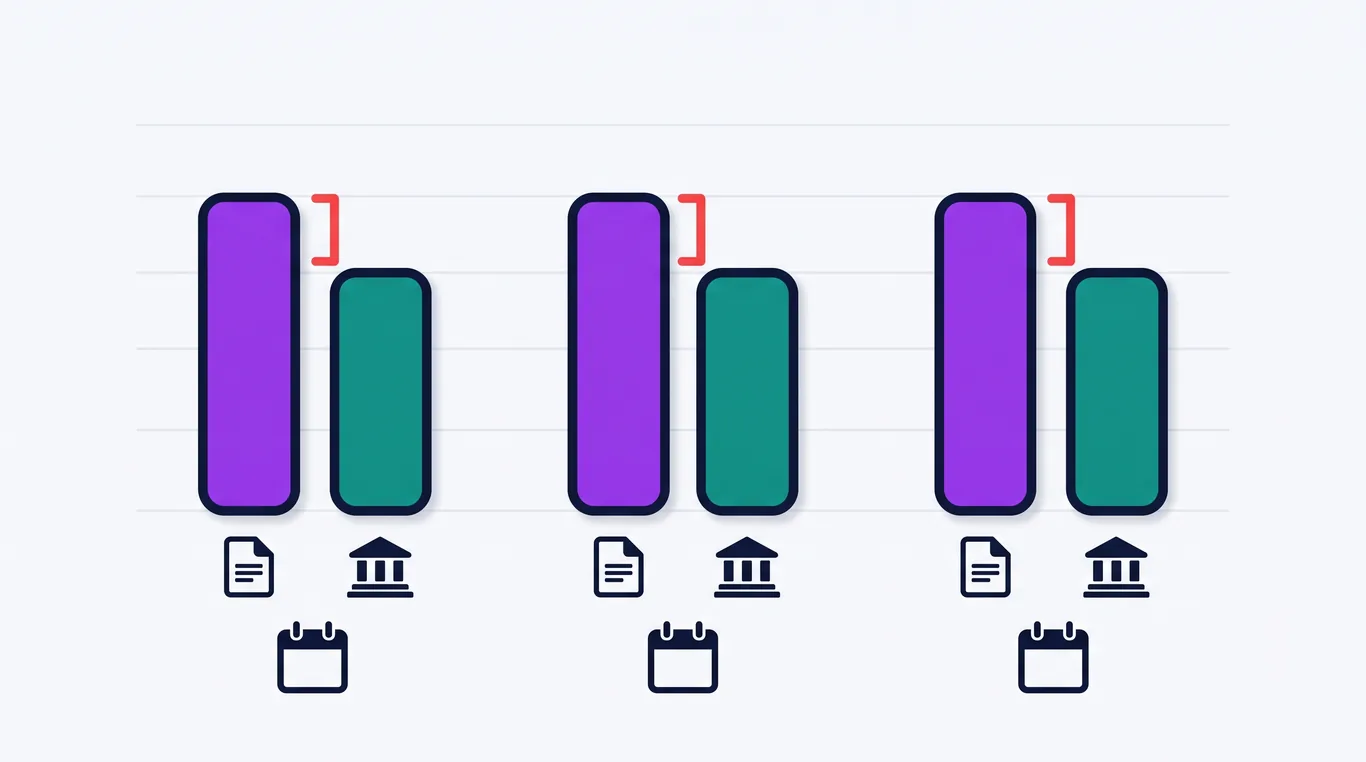
You verify a salary slip by reconciling it with two other documents. Each answers a different question, and each one checks the others.
- The offer letter says what the employer promised.
- The payslips say what the employer paid, before and after deductions.
- The bank statement says what actually reached the candidate's account.
THREE DOCUMENTS, ONE RECONCILED SALARY
No single document proves a salary. Agreement across all three, plus a clean file, does.
What to compare, field by field
| Field | Compare | What a normal gap looks like |
|---|---|---|
| Employer name | Offer letter, payslip header, bank credit narration | Abbreviations in the bank narration are normal |
| Monthly gross | Payslip gross against CTC ÷ 12 | Gross sits below CTC ÷ 12, because CTC includes employer PF, gratuity and variable pay |
| Net pay | Payslip net against the salary credit | Should match closely, month by month |
| Pay date | Payslip period against credit date | A few days either side of month end |
| Arithmetic | Gross minus deductions against net pay | Should add up exactly |
| Deductions | PF, professional tax and TDS against salary level | PF is normally 12% of basic, often on a capped wage |
| Employer TAN | TAN on the salary slip against the deductor in Form 26AS | Should be the same employer |
| UAN | UAN printed on the payslip against UAN records | Should belong to the candidate and list this employer |

How Can You Tell If a Salary Slip Is Fake?
Salary fraud often is not a forged document built from scratch. It is a real document with one number changed.
That leaves traces in the file, even when the page looks perfect.
❌ Signs of an edit
- Metadata: producer shows a PDF editor, not a payroll or banking system
- Fonts: one figure set in a slightly different font or weight
- Images: compression that differs around a single number
- Branding: a logo pasted twice, or at two resolutions
- Balances: a bank running balance that no longer adds up
✅ Signs of a clean file
- Metadata: consistent with the issuing system and date
- Fonts: one typeface family across all figures
- Images: uniform compression across the page
- Branding: one logo, rendered once
- Balances: every line reconciles to the next
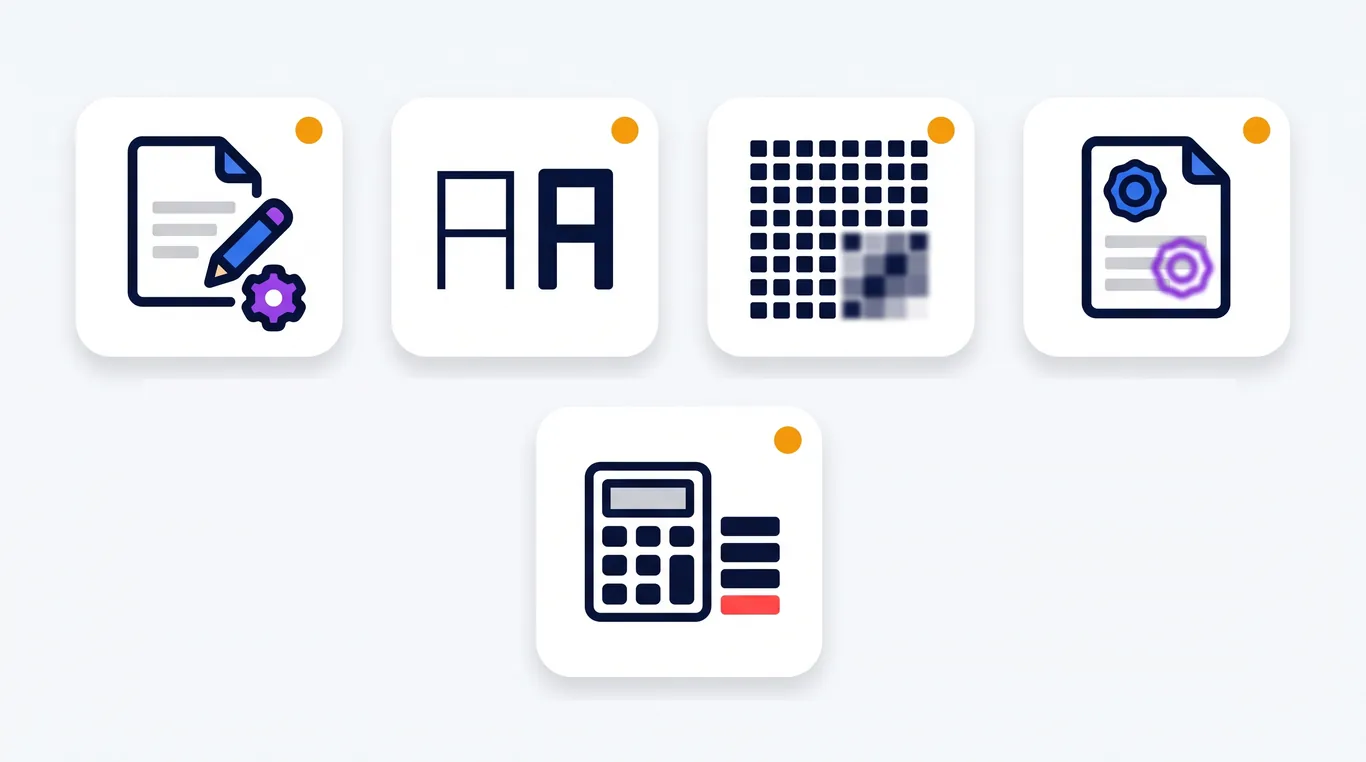
A clean file is not proof on its own, though. A document built from scratch can pass every one of these checks.
You can test a sample file with the free PDF forensics viewer or the free document tampering checker.
Catch the edited figure, not the font
Tell us your hiring volume and document mix.
- Configurable forensic checks
- Form 26AS and UAN with consent
- Only mismatches reach reviewers
- Role-based access and audit logs
Or book a demo on your own files.
🔒 CERT-IN Certified🛡 ISO 27001🎟 Free trial tokens
Where Source Records Settle the Question
When the documents disagree, or look too clean to trust, go to records the candidate did not produce.
- Form 26AS or the Annual Information Statement (AIS) lists the salary each employer paid and the tax it deducted, reported by the employer to the Income Tax department. It is the closest independent check on annual pay.
- UAN employment history confirms the employer and the dates of joining and exit. It does not confirm salary, but it catches a payslip from an employer the candidate never worked for.
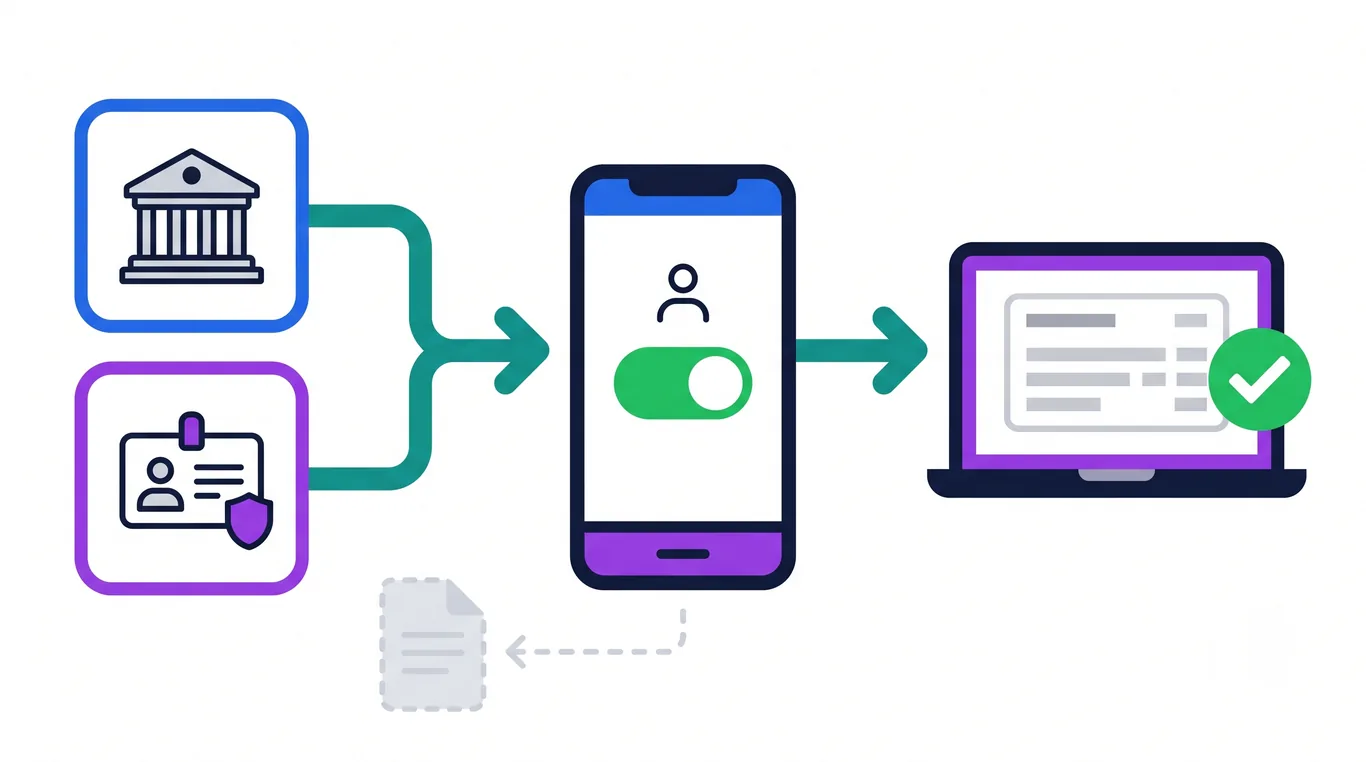
Both checks need the candidate's informed consent. Our guide to employment history verification through UAN covers the consent and data-source questions in detail.
Who Needs Salary Verification
The same three documents show up wherever income has to be proven. The stakes differ by team.
🏢 Enterprise hiring teams
Current salary sets the offer for lateral and senior hires. One inflated figure raises the cost of the hire for as long as the employee stays.
🤝 Background verification providers
Some clients now ask for salary checks alongside employment and education checks. Providers need them at volume, through an API, with an evidence trail per case.
🏦 Lenders and NBFCs
Payslips and bank statements are standard income proof for personal loans. An edited salary figure changes the loan amount a borrower qualifies for.
Our guide to document verification for BFSI covers the lending side in more depth.
Running Salary Verification at Hiring Volume
Doing this by hand takes a reviewer several documents and a calculator per candidate. At hundreds of hires a month, the check quietly gets skipped.
Automation turns it into a pipeline where reviewers only see the cases that break.
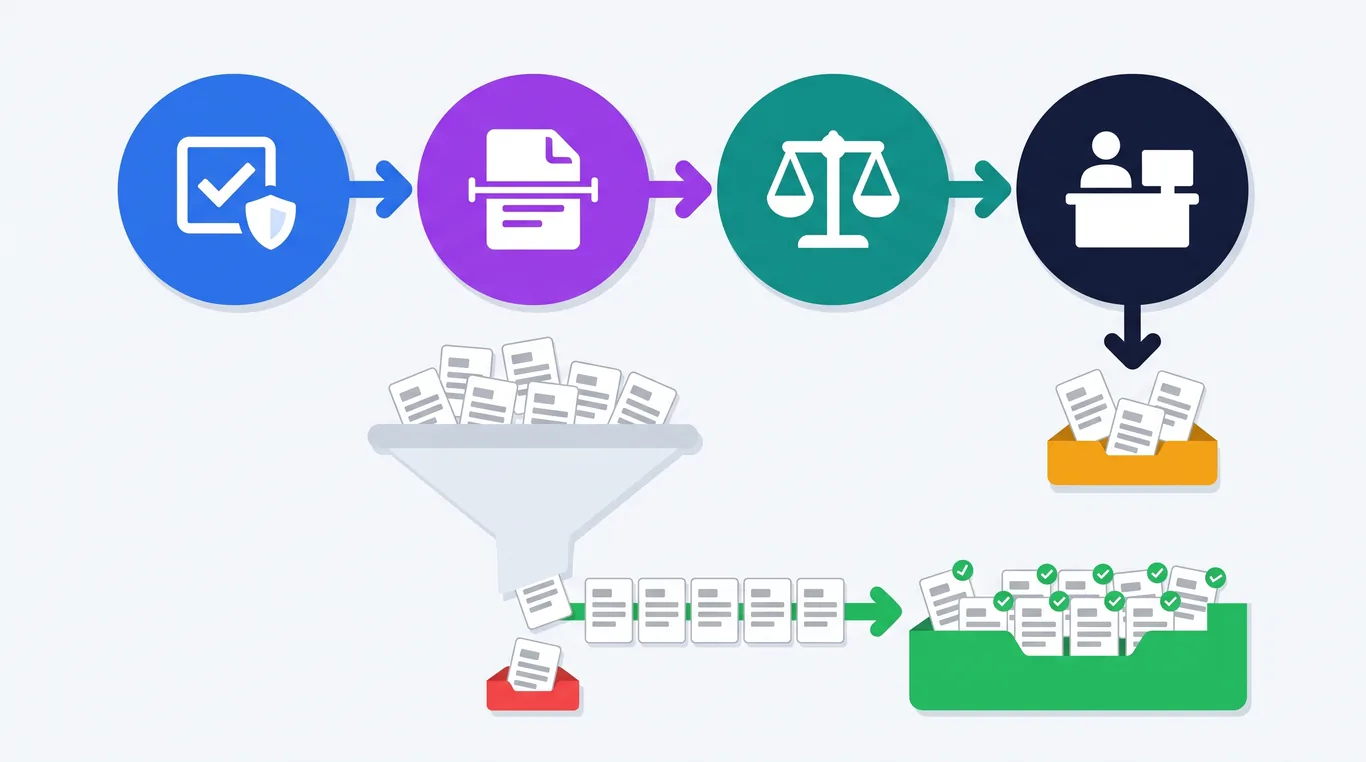
DocuExprt runs this as one workflow. It extracts the salary fields from the offer letter, payslips and bank statement, cross-verifies the amounts, and runs forensic checks on each file.
Each document gets a verdict and a risk score. Your team chooses which forensic checks apply and which flags go to manual review, and results return to your ATS as JSON through the API.
The same workflow can add Form 26AS and UAN checks where the candidate has consented. See how it fits into background verification automation and HR document verification.
Guardrails for a Fair Check
Salary verification touches sensitive financial data. A few rules keep it fair and defensible:
- ✅ Take specific consent before collecting bank statements or running source checks.
- ✅ Ask only for the months you need, usually the last three.
- ✅ Treat a flag as a question for the candidate, not an automatic rejection.
- ✅ Set tolerances for rounding, arrears and one-off payments.
- ✅ Keep the evidence behind each decision, and delete what you no longer need.
Key Takeaways
- Salary claims slip through because each document is reviewed alone.
- Cross-check three documents: offer letter, payslips and bank statement.
- Match net pay to the salary credit; do not expect gross to equal CTC ÷ 12.
- Payslip arithmetic should add up exactly, every month.
- Edited files leave traces in metadata, fonts, compression and balances.
- A clean file is not proof; a document built from scratch can pass forensics.
- Form 26AS and UAN history settle disputes, with the candidate's consent.
- Automate the reconciliation so reviewers only see the mismatches.
Frequently Asked Questions
How do you verify a candidate's salary slip?
Cross-check the offer letter, recent payslips and the bank statement showing salary credits, and run tampering checks on each file. Where the documents disagree, confirm annual pay through Form 26AS and the employer through UAN history, with the candidate's consent.
How can you tell if a salary slip is fake?
Check whether gross minus deductions equals net pay, whether net pay matches the bank credit, and whether the PF and tax deductions fit the salary. Then check the file itself: editor software in the metadata, mixed fonts or uneven compression around a figure are common signs of an edit.
Why is payslip gross salary lower than CTC divided by 12?
CTC includes costs the employee does not receive monthly, such as the employer's PF contribution, gratuity and variable pay. A gap between CTC and monthly gross is normal; a gap between payslip net pay and the salary credited to the bank is not.
Can Form 26AS be used for salary verification?
Yes. Form 26AS shows the amount each employer paid and the tax deducted, as reported by the employer to the Income Tax department. It confirms annual pay independently of the candidate's documents, and should only be checked with the candidate's consent.
Can salary verification be automated?
Yes. An AI document verification workflow can extract salary fields from all three documents, reconcile them, run forensic checks and send only mismatches to a reviewer. DocuExprt returns a verdict and risk score per document to your ATS through the API.
What APIs are used for income and employment verification?
In India the main consent-based sources are Form 26AS or AIS for salary paid and tax deducted, UAN (EPFO) history for employers and dates, PAN verification for identity, and bank statements, shared directly or through the Account Aggregator framework, for salary credits. Document checks on offer letters and salary slips fill the gaps.
Salary Verification Is a Reconciliation Problem
An inflated salary rarely hides in one document. It hides in the gap between three.
Teams that reconcile the offer letter, payslips and bank statement, and confirm disputes at source, catch the edit before it becomes the base for an offer.
Stop inflated salaries at intake
Bring a sample batch. We run it live on the demo.
- 3.5 lakh+ documents verified
- 99%+ verification accuracy
- PAN, Aadhaar, GST + 20+ govt DBs
- Only exceptions reach your team
Trusted by enterprises and government boards




Free trial tokens available for testing.